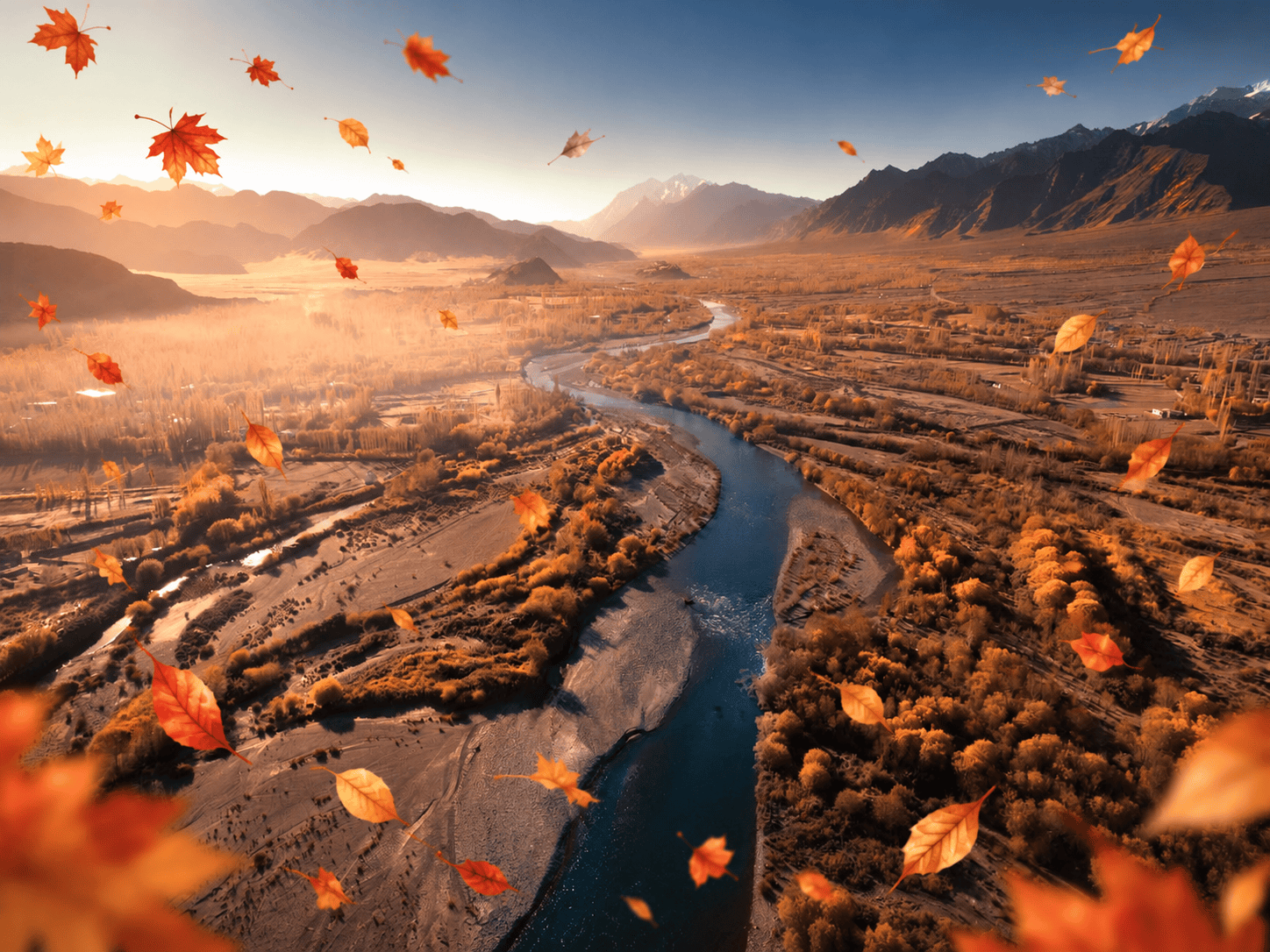
 Shakesphere
Ladakh is not a destination you plan by collecting famous places. It is a high-altitude region where the order of the journey matters: when you arrive, how fast you climb, which roads are actually open, what your nationality allows, where you sleep, and how much time you leave between long driving days.
This Ladakh travel guide for 2026 is designed as a parent guide to the region rather than a list of attractions. It brings together the practical questions that shape a real trip—altitude, permits, seasons, roads, districts, culture, food, festivals, trekking and responsible travel—and points to deeper LOTPL guides when a subject deserves its own page.
2026 matters. Ladakh is a Union Territory of India, and in April 2026 five new districts—Sham, Nubra, Changthang, Zanskar and Drass—were added to Leh and Kargil, taking the total to seven. Tourism is also changing quickly: the UT Administration reported 117,546 tourist arrivals from January to May 2026, up 43.6% from the same period in 2025. At the same time, the Protected Area Permit and Restricted Area Permit framework for foreign travellers was under active review in August 2026. A useful guide therefore has to separate stable geography and culture from rules that should be checked close to travel.
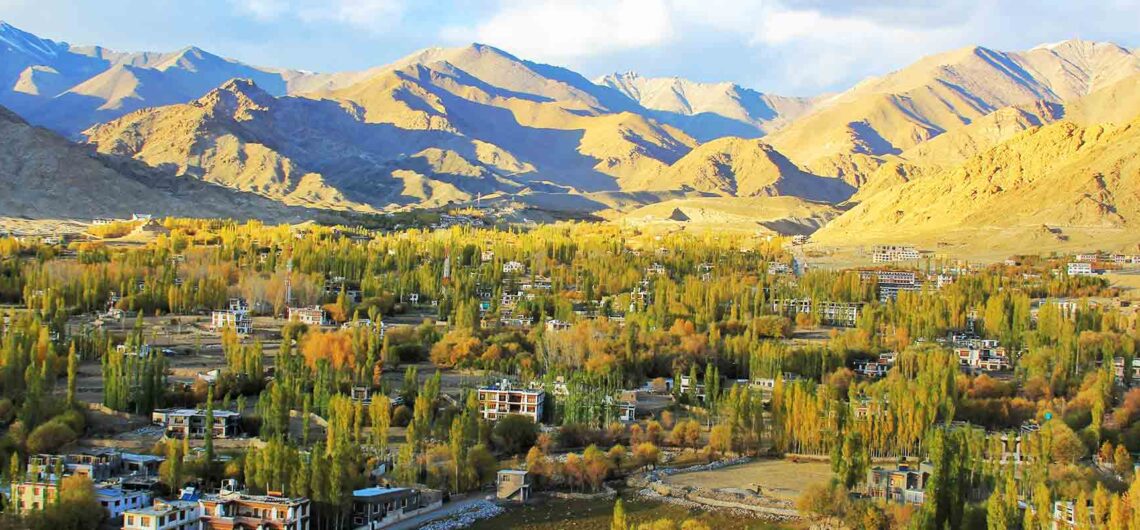
Ladakh travel guide 2026: the short version
| Question | Practical answer |
|---|---|
| Where is Ladakh? | In far northern India, between major Himalayan and Karakoram mountain systems. Leh is the main travel hub, but Ladakh extends far beyond Leh. |
| How many districts are there? | Seven in 2026: Leh, Kargil, Sham, Nubra, Changthang, Zanskar and Drass. |
| How long should a first trip be? | Seven to ten days works for many travellers; longer is better if you want Hanle, Tso Moriri, Zanskar or trekking. |
| What happens after flying into Leh? | Protect the first 48 hours for acclimatization before travelling to higher-altitude destinations. |
| Best general season? | June to September is the broadest first-trip window, but Ladakh is a year-round destination when the trip is designed for the season. |
| Do permit rules change? | Yes. Rules depend on nationality, passport and route, and the foreign-tourist PAP/RAP framework was under review in 2026. |
| Classic circuit? | Leh → Nubra → Pangong → Leh. With more time: extend to Hanle and Tso Moriri. |
| What is the biggest planning mistake? | Trying to move too high, too far and too fast immediately after arrival. |
For a month-by-month decision, see Best Time to Visit Ladakh. For the road logic of Nubra, Pangong, Hanle and Tso Moriri, use the Ladakh Circuit Map 2026.
1. First understand the altitude
Leh sits at roughly 3,500 metres, and many of the places visitors want to reach are higher. That single fact changes the rhythm of the whole trip.
The official Ladakh Tourism advisory states that tourists arriving in Leh should undergo at least 48 hours of acclimatization before travelling to higher-altitude areas. This is not a decorative “rest day” inserted into an itinerary. It is the beginning of the itinerary.
A sensible fly-in sequence is simple:
- Day 1: arrive in Leh, rest, eat lightly, hydrate normally and keep activity gentle.
- Day 2: remain in Leh or make only easy local movements if you feel well.
- Day 3 or later: begin the higher-altitude road circuit if everyone is feeling well.
If symptoms become severe or worsen, seek medical help and do not keep ascending. Remote areas have more limited medical infrastructure than Leh. For a fuller explanation of altitude planning, read the Ladakh Altitude Guide.
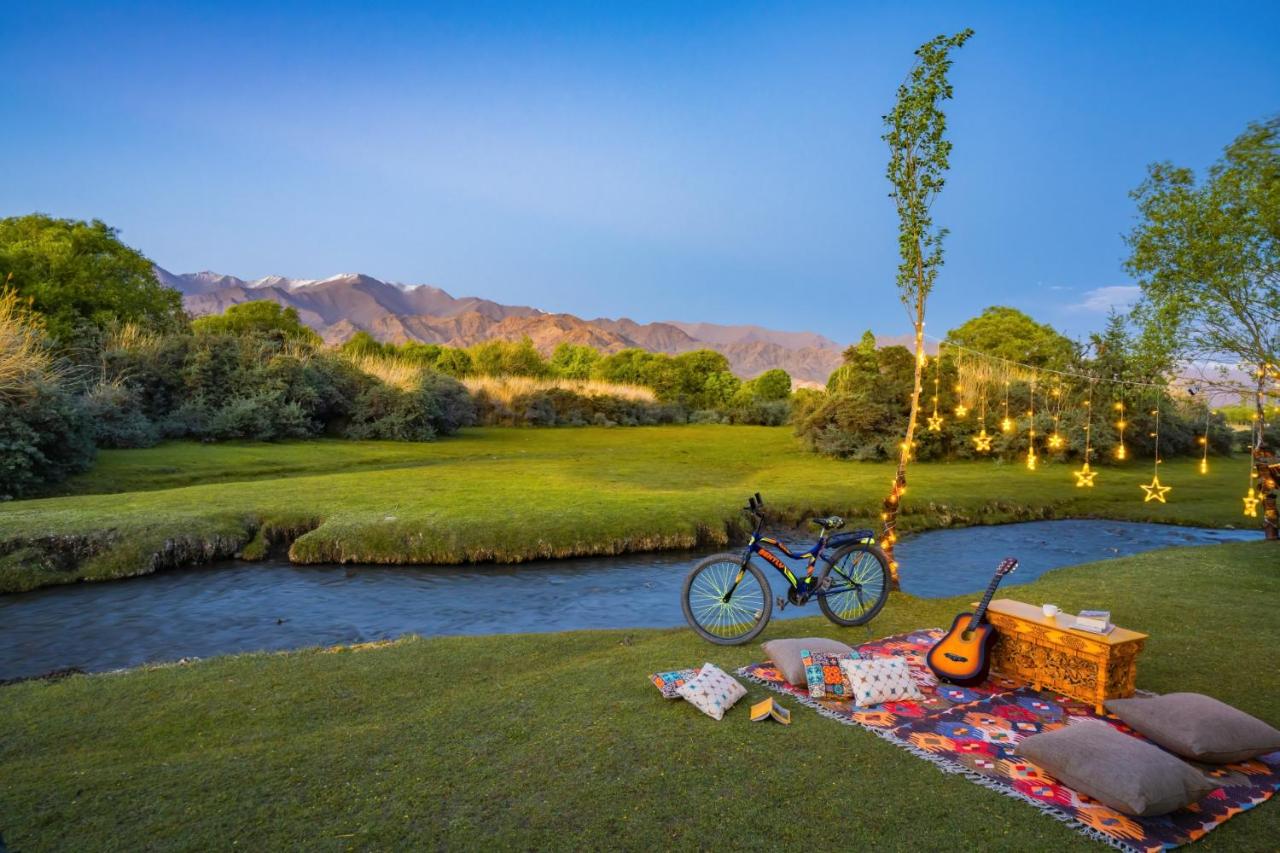
2. Where Ladakh is—and why the 2026 map changed
Ladakh became a separate Union Territory in 2019. In April 2026, the UT Administration formally created five additional districts: Sham, Nubra, Changthang, Zanskar and Drass. Together with Leh and Kargil, Ladakh now has seven districts.
That administrative change is important because many older travel pages still describe Ladakh only through the former two-district structure. But travellers should also remember that an administrative district and a travel region are not always the same thing. “Changthang,” for example, is both a current district name and a much broader cultural and geographic idea associated with the high plateau of eastern Ladakh.
For trip planning, it helps to think in travel regions:
- Leh and the Indus Valley: acclimatization base, monasteries, markets, heritage and road connections.
- Sham / Lower Ladakh: Alchi, Likir, Lamayuru-side journeys and lower Indus villages.
- Nubra: Diskit, Hunder, Sumur, Panamik, Turtuk and multiple valley branches.
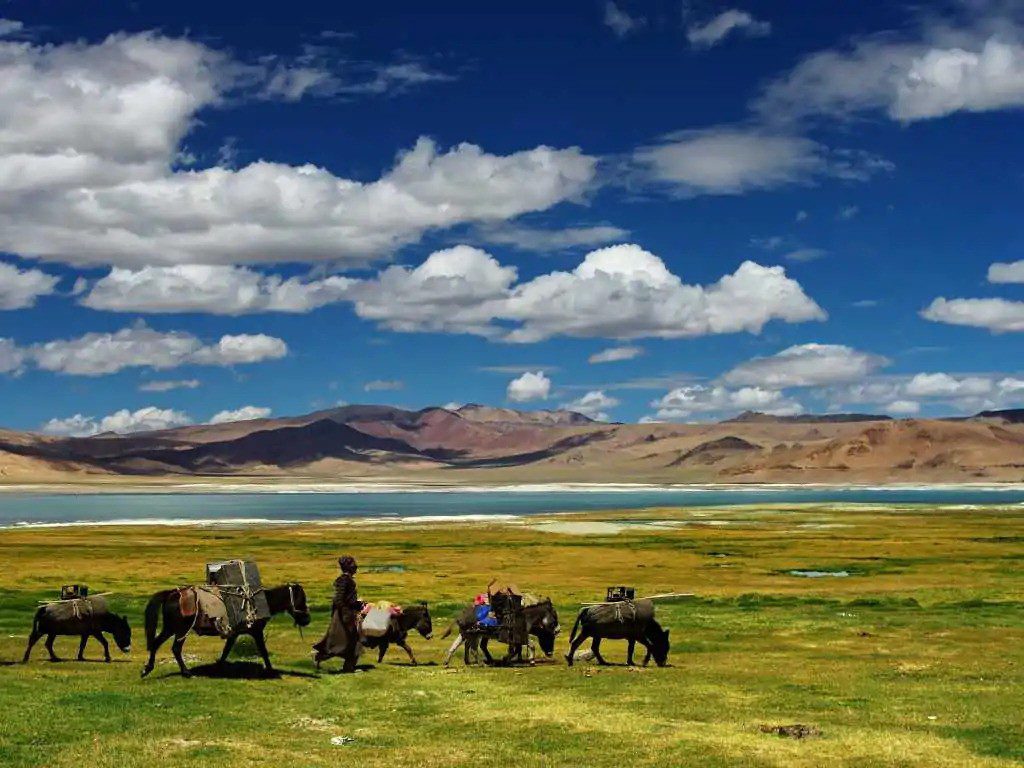
- Changthang: Pangong, Hanle, Tso Moriri, Tso Kar and vast high-altitude plateau country.
- Kargil and Drass: western approaches, Suru-side connections and a distinct cultural landscape.
- Zanskar: a major mountain region with its own road corridors, monasteries, villages and trekking systems.
This is why a map of Ladakh should not be read like a city map. Short straight-line distances can hide long driving times, high passes, restricted sectors and weather exposure.
3. How to reach Ladakh
There are three practical gateways for most travellers.
Fly to Leh
Flying is the fastest way to enter Ladakh and the only normal year-round gateway when the approach highways are closed. It is also the sharpest altitude transition, which makes the first 48 hours especially important.
Enter from Srinagar via Kargil
The Srinagar–Kargil–Leh road provides a gradual overland approach from the west. It passes through a very different landscape from the Manali side and works well for travellers who want to combine Kashmir, Drass, Kargil or western Ladakh with Leh.
Enter from Manali
The Manali–Leh corridor is one of the great high-mountain road journeys of the Himalaya. It is seasonal and should never be planned from a fixed opening date copied from an old blog. Snow clearance, repairs, landslides and weather can shift the usable travel window.
If road travel is central to your trip, check current conditions shortly before departure rather than treating “June” or “October” as a guarantee.
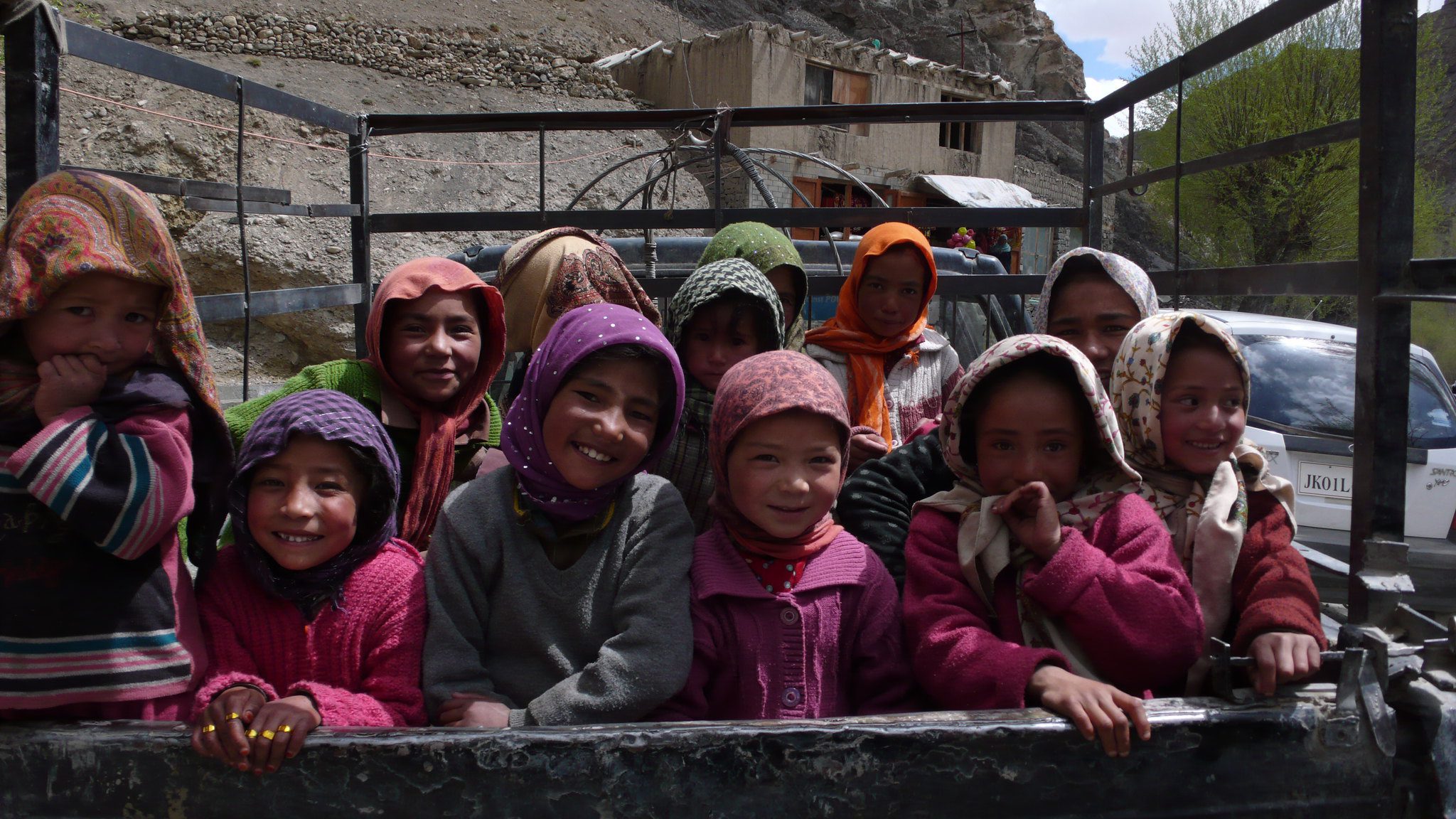
4. Permits in Ladakh in 2026
Permit advice is one of the fastest-aging parts of any Ladakh guide.
The correct question is not simply “Do I need a permit?” It is:
- What nationality and passport do I hold?
- Which exact destinations and road sectors do I plan to use?
- What rules are in force on my travel dates?
- Are there temporary checkpoint or security restrictions?
As of 24 August 2026, the UT Administration was reviewing the Protected Area Permit (PAP) and Restricted Area Permit (RAP) framework for foreign tourists, including geographical coverage, checkpoints and possible changes to the process. That review should not be mistaken for a final implemented replacement system.
For current, nationality-specific planning, use LOTPL’s dedicated Ladakh Permits 2026 guide and verify again close to travel.
A road shown on a digital map is not proof that a traveller may legally or practically use it.
5. The classic Ladakh route—and when to stop adding places
For a first trip, a simple circuit is often stronger than an ambitious one.
Classic first-trip circuit
Leh → Nubra Valley → Pangong Tso → Leh
This gives a clear change of landscape without turning every day into a transfer. With more time, the eastern circuit can extend to:
Leh → Nubra → Pangong → Hanle → Tso Moriri → Leh
That longer loop can be excellent, but it needs enough nights, current route confirmation and a group that is coping well with altitude.
The question to ask is not “Can we fit Hanle?” It is “Will adding Hanle improve the journey or just add another long driving day?” The same rule applies to Turtuk, Tso Moriri, Umling La and Zanskar.
Use the Ladakh Circuit Map 2026 to design the route in layers rather than by collecting pins.
6. Best time to visit Ladakh
For most first-time visitors who want the broadest combination of roads, monasteries, lakes, villages and trekking, June to September is the easiest planning window. But there is no single best month for every traveller.
| Travel style | Strong window | What changes |
|---|---|---|
| First visit | June–September | Broadest access and service network. |
| Apricot blossom | April | Spring villages and lower-valley colour; high routes may still be limited. |
| High-pass trekking | Mid-June–September | Best general window for many classic routes. |
| Photography | April, September–October, winter | Different light, blossom, autumn colour or snow. |
| Snow leopard tracking | Winter | Specialist wildlife travel; sightings are never guaranteed. |
| Winter culture | December–February | Cold, shorter days and a completely different pace of travel. |
Ladakh is drier than the southern side of the Himalaya, but “no monsoon” is too simple. July and August can still bring local rain, cloudbursts and road disruption, while the approaches through Himachal Pradesh and Kashmir can be affected by heavier monsoon weather.
Use the current month-by-month guide rather than an old fixed-season rule.
7. What Ladakh is famous for
Ladakh is often reduced to blue lakes, high passes and Buddhist monasteries. Those are real, but they are only part of the region.
Monasteries and Buddhist heritage
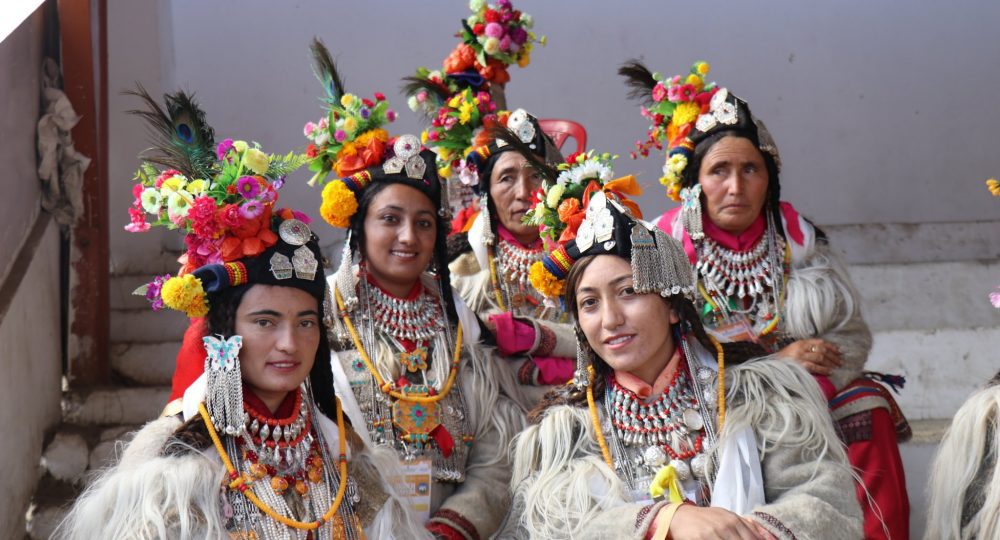
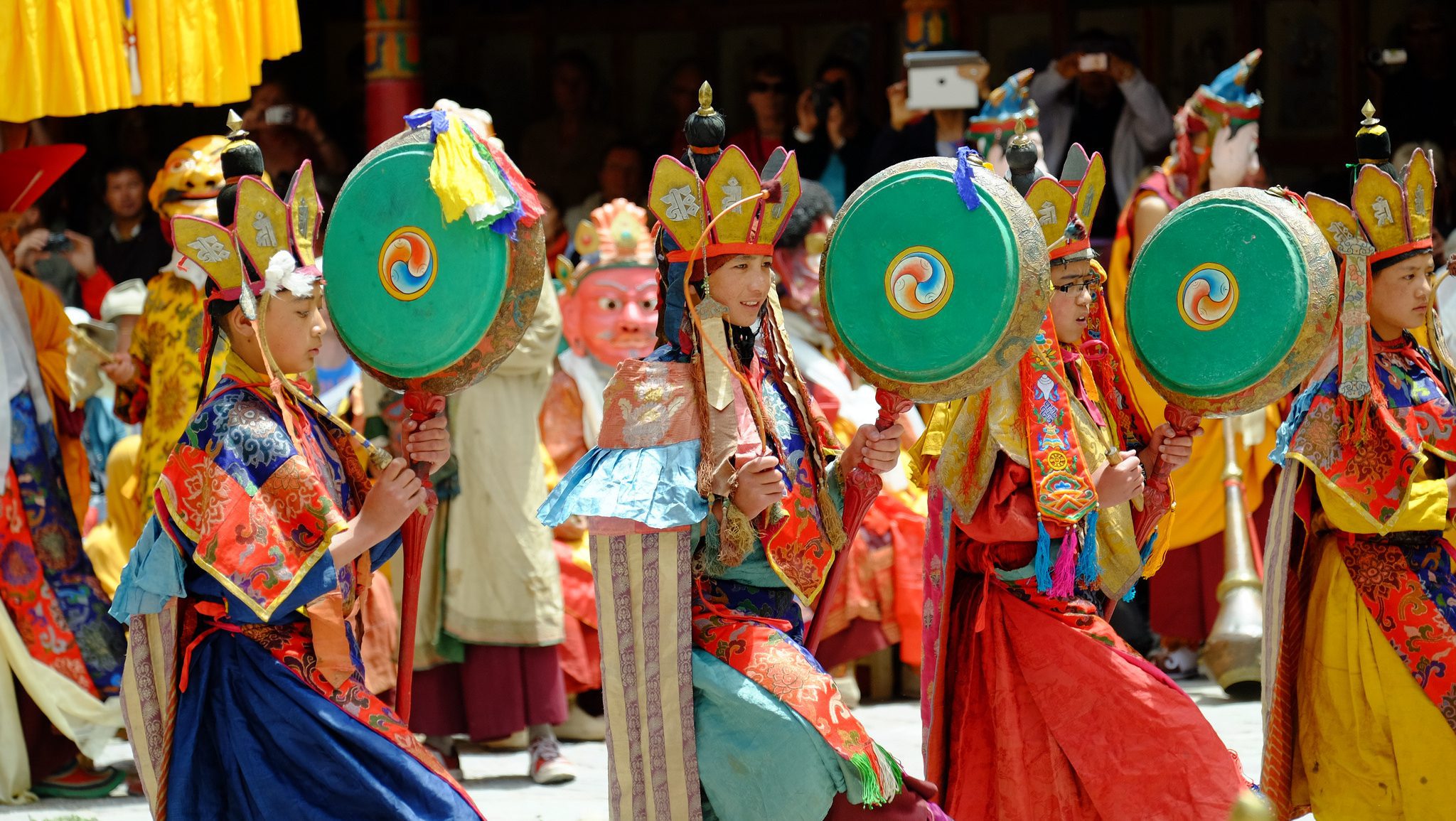
Hemis, Thiksey, Alchi, Lamayuru, Spituk, Phyang, Likir, Diskit and many smaller monasteries form a living religious network rather than a collection of monuments. Festival days, monastic education, ritual calendars and village relationships matter as much as architecture.
Islamic heritage
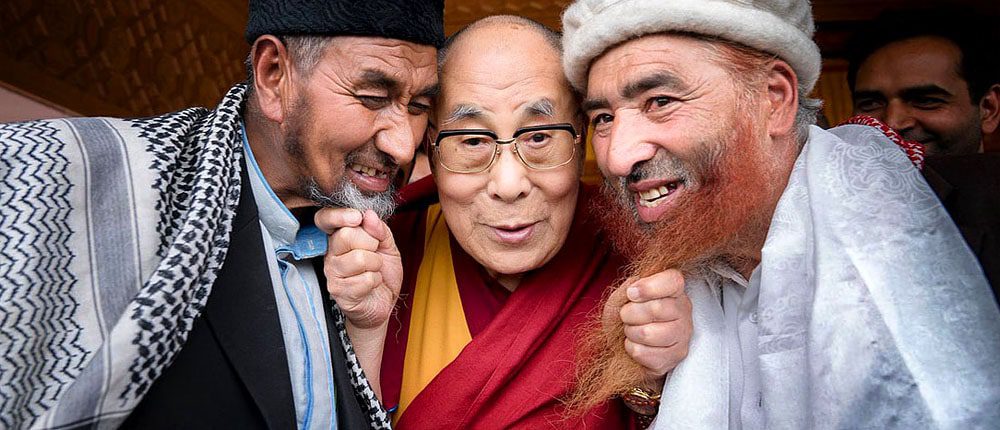
Kargil, Purig and many western Ladakh communities have deep Muslim histories, particularly Shia traditions, while Leh also has a long history of Muslim traders and neighbourhoods. A serious Ladakh guide should not present the region as culturally uniform.
Rock art and archaeology
Ladakh’s open landscapes contain petroglyphs, inscriptions, rock carvings and archaeological traces spanning very different periods. In 2026, conservation gained new attention with protected heritage notifications and the development of a petroglyph conservation park. See LOTPL’s Ladakh Petroglyphs & Rock Art guide.
Pastoral life and pashmina
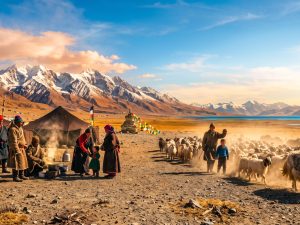
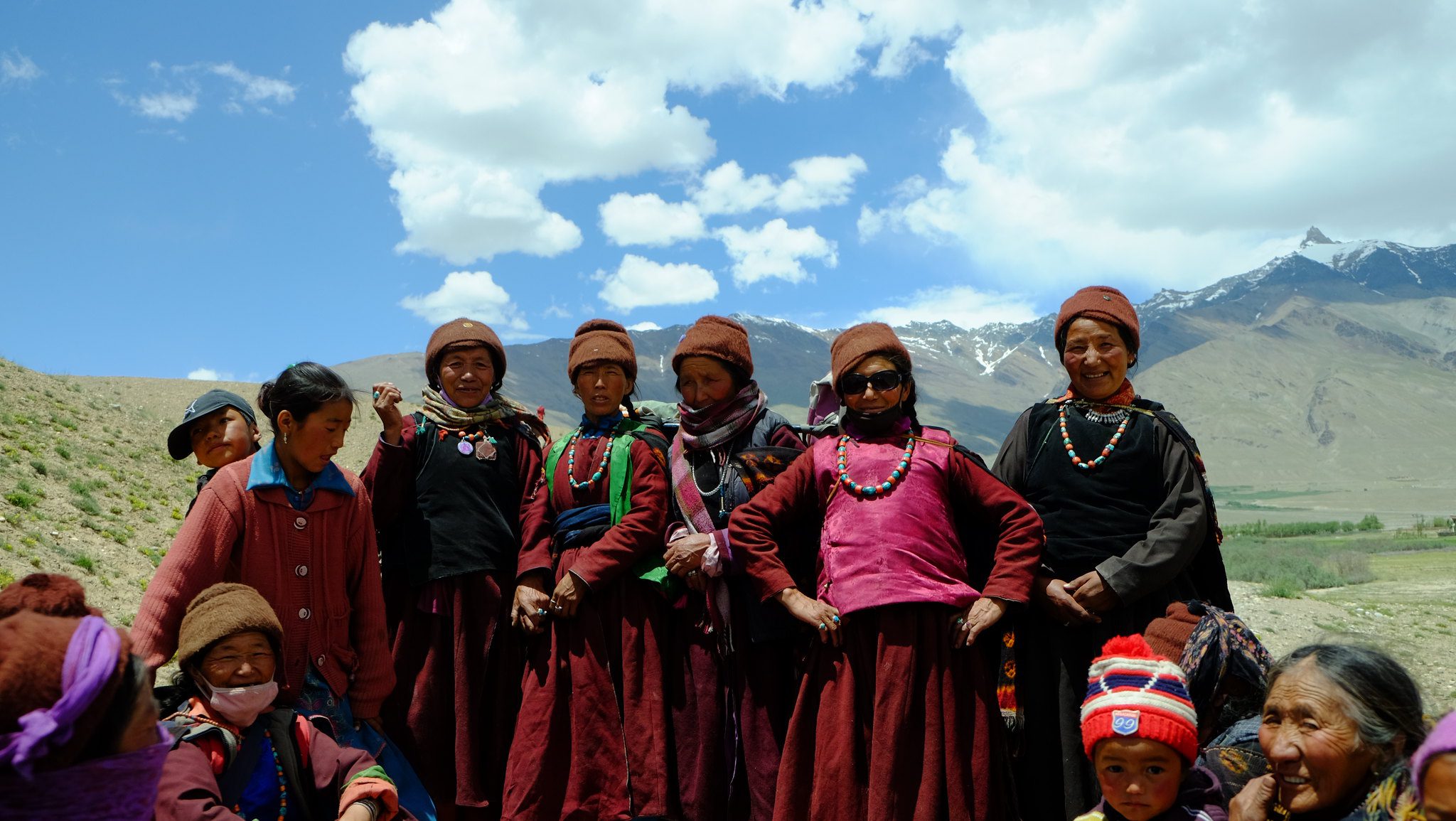
Changthang is home to pastoral communities whose herding systems are closely connected with pashmina production. Pashmina is not merely a souvenir category; it begins with animals, grazing landscapes, seasonal movement, labour and a long chain of processing and trade.

8. Languages, communities and cultural etiquette
Ladakh is multilingual. Ladakhi is widely spoken in Leh-side and many Buddhist communities, while Balti and Purgi/Purik varieties are important in the west. Hindi, Urdu and English are also widely used in different settings.
Rather than trying to classify every community by a single ethnic label, travellers will understand Ladakh better by paying attention to place: a Changthang pastoral settlement, a Balti village in Nubra, a Muslim neighbourhood in Leh, a monastery village in Sham and a Zanskar village do not tell the same story.
Basic etiquette is simple:
- Ask before photographing people, homes, ceremonies or monks at close range.
- Follow signs inside monasteries and do not assume every room is open to visitors.
- Walk clockwise around stupas and mani walls where local practice indicates it.
- Dress and behave respectfully in religious spaces.
- Do not turn border villages or military infrastructure into photography subjects without checking restrictions.
- Remember that a village is a place where people live, not an outdoor museum.
9. Food in Ladakh
Traditional Ladakhi food reflects altitude, short growing seasons, stored ingredients and Tibetan-Central Asian connections. Depending on where you travel and the household or restaurant, you may encounter:
- Thukpa and other noodle soups;
- momos and filled dumplings;
- skyū, a Ladakhi pasta-like stew;
- khambir, local bread;
- tsampa or roasted barley preparations;
- gur-gur cha, butter tea;
- apricots, especially in western and lower valleys;
- barley-based drinks such as chang in local contexts.
Modern Ladakh also eats broadly: rice, dal, vegetables, North Indian dishes, Tibetan food and contemporary café food are part of everyday travel in Leh. The useful distinction is not “traditional versus fake,” but village/home food versus urban restaurant culture and what each tells you about changing life.
10. Festivals: do not plan from an old date table
Many monastery festivals follow Tibetan lunar calendars, so their Gregorian dates change from year to year. Large civic and cultural events also change schedules.
Hemis Tsechu, Matho Nagrang, Phyang Tsedup, Yuru Kabgyat, Korzok Gustor, Spituk Gustor, Dosmoche and Losar all belong to different ritual calendars and local contexts. The Ladakh Festival and other cultural programmes are organised separately from monastery festival cycles.
If a festival is central to the trip, verify the current-year date before booking non-refundable travel. Do not copy a 2024 or 2025 table into a 2026 itinerary.
11. Trekking in Ladakh
Ladakh’s trekking map ranges from village-based walks to remote multi-pass expeditions.
For shorter and gentler village travel, Sham Valley can work well. Markha Valley remains one of the best-known longer routes. Zanskar, Changthang and the long crossings between remote valleys offer much bigger journeys that require more support and route judgment.
A homestay trek is also a different product from a camping trek. Sleeping in villages changes the pace, the logistics and the relationship with local life. Ladakh Diaries Homestay Trek Ladakh 2026 guide explains that distinction.
For trekking, the highest-value question is not “Which trek is most famous?” It is “Which route matches my acclimatization, time, fitness, season and preferred style of travel?”
12. Wildlife and dark-sky travel
Winter snow-leopard trips receive the most attention, but Ladakh’s wildlife story is much broader: blue sheep, ibex, kiang, wolves, foxes, marmots and high-altitude birdlife are part of different ecosystems across the region.
Wildlife travel should be observation-led, not chase-led. Off-road driving, crowding animals or pushing too close for photographs can damage the very landscapes that make the experience possible.
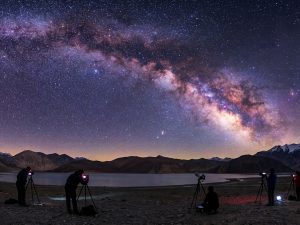
Hanle and the wider Changthang have also become important for astronomy and dark-sky tourism. The Indian Astronomical Observatory and community-based dark-sky initiatives have turned night-sky travel into a serious reason to build a slower eastern-Ladakh itinerary.
For winter wildlife planning, see Snow Leopard Ladakh Expedition.
13. How many days do you need?
| Trip length | What it can reasonably do |
|---|---|
| 4–5 days | Leh-focused stay with acclimatization and nearby Indus/Sham excursions. Too short for a rushed “everything” circuit. |
| 6–7 days | Leh + Nubra + Pangong can work if the first 48 hours are protected. |
| 8–10 days | More comfortable classic circuit, with room for a second Nubra night, Sham, or a carefully chosen eastern extension. |
| 10–12+ days | Hanle + Tso Moriri, deeper village time, or a more flexible road journey becomes realistic. |
| Two weeks or more | Longer trekking, Zanskar or a genuinely slow multi-region journey. |
More days do not automatically mean more destinations. Buffer time is part of mountain travel.
14. What to pack
Ladakh rewards layering. Even in summer, strong sun and warm afternoons can turn into cold evenings, wind and much lower temperatures at high-altitude overnight stops.
- sun protection: sunglasses, high-SPF sunscreen, hat and lip balm;
- layered insulation rather than one heavy garment;
- wind-resistant outer layer;
- warm socks, beanie and gloves for high-altitude nights or shoulder season;
- comfortable walking shoes;
- personal medicines and a simple first-aid kit;
- refillable water bottle;
- power bank and spare camera batteries;
- copies of travel documents and any required permits;
- offline maps for remote sectors.
Do not pack for Pangong, Hanle or Tso Moriri based only on a daytime temperature forecast for Leh.
15. Responsible travel in Ladakh
Ladakh’s tourism economy is growing quickly. The UT Administration reported 117,546 arrivals in January–May 2026, compared with 81,827 in the same period in 2025. Growth creates opportunity, but it also increases pressure on water, waste systems, roads, wildlife and village life.
Useful low-impact choices are practical rather than symbolic:
- refill water where safe rather than buying a new small bottle at every stop;
- carry waste back from remote areas;
- do not camp or drive onto fragile wetland edges;
- stay on established roads in wildlife landscapes;
- use locally run homestays and guides where they fit the journey;
- ask before entering private agricultural or pastoral spaces;
- avoid treating sacred, military or border landscapes as unrestricted photo sets.
Responsible travel is not a separate activity added to the end of an itinerary. It is how the itinerary is designed.
16. A practical first-trip plan
For many first-time visitors flying into Leh, this structure is more reliable than trying to see everything:
- Days 1–2: Leh. Acclimatize. Keep the first day quiet; use the second for light local exploration if you feel well.
- Days 3–4: Nubra Valley. Cross into Nubra and give the valley enough time to be more than one overnight.
- Day 5: Pangong Tso. Continue only if the group is coping well with altitude and the current route is open and permitted.
- Day 6: Return toward Leh. Do not plan a fragile onward flight connection the same evening.
- Day 7: Buffer / Leh / Sham. Use the spare day for weather, rest or a lower-intensity excursion.
With 9–12 days, add Hanle, Tso Moriri, Turtuk or deeper village time selectively rather than automatically.
If you prefer a private road journey with local planning support, see Ladakh Tours 2026.
17. What changed from the old Ladakh guide
This article replaces an older guide that mixed useful cultural material with information that had become historically outdated. The most important corrections are:
- Ladakh is a Union Territory, not part of the former state of Jammu and Kashmir.
- As of April 2026, Ladakh has seven districts, not two.
- Permit advice is treated as a current-status issue rather than a permanent rule.
- The official 48-hour acclimatization requirement is placed at the centre of itinerary design.
- Travel regions are explained separately from administrative boundaries.
- Cultural diversity is described without reducing Ladakh to a single Buddhist or Tibetan identity.
- Festival dates are not frozen into an obsolete table.
- The guide links outward to specialist pages instead of duplicating every topic and creating conflicting advice.
Ladakh travel guide FAQ
Is Ladakh part of Jammu and Kashmir?
No. Ladakh has been a separate Union Territory of India since 2019.
How many districts does Ladakh have in 2026?
Seven: Leh, Kargil, Sham, Nubra, Changthang, Zanskar and Drass. The five new districts were formally created in April 2026.
How many days should I spend in Ladakh?
Seven to ten days is a useful range for many first trips. Longer is better for Hanle, Tso Moriri, Zanskar, trekking or a slower village-based journey.
Do I really need two days in Leh after flying in?
The official Ladakh Tourism advisory says tourists arriving in Leh should undergo at least 48 hours of acclimatization before travelling to higher-altitude areas.
What is the best month for a first visit?
June through September is the broadest general window, but the right month depends on whether your priority is road travel, trekking, photography, festivals, wildlife or winter travel.
Do foreigners need permits in Ladakh?
Permit requirements depend on nationality, passport and destination. The PAP/RAP framework for foreign tourists was under active review in August 2026, so check current rules close to travel.
Is Pangong a day trip from Leh?
It can be physically reached on a long day, but that does not make it the best plan. Altitude, driving time and the value of a slower journey should matter more than simply proving the distance can be covered.
Can I combine Nubra, Pangong, Hanle and Tso Moriri?
Yes, with enough days, current route access and good acclimatization. It is a long eastern circuit, not a short extension.
Sources and current status
Current-status note: this guide reflects information checked in October 2026. Road access, weather, checkpoint practice and permit rules can change. Verify operational details close to travel.

 Shakesphere